
Oil to gas heating conversion, Saugus to Boston
Shane's specialty. The boiler, the gas piping, the venting and the permits, explained plainly before you commit.
Shane is the heat guy, and switching houses from oil to natural gas is his specialty. A conversion is more than a new boiler: gas has to reach the house, a gas line has to run to the equipment, the venting changes, the hot water may change, and the oil tank has to go. This page goes through each part, what changed in 2025 and 2026, and what moves the price, so you can decide with the facts in front of you.
What a conversion includes
Checking gas on your street
Whether gas is in front of the house decides the rest of the job. The gas company answers that: National Grid in most of Shane's towns, National Grid or Eversource in Boston and Somerville, and Wakefield Municipal Gas & Light in Wakefield.
A new gas boiler
Many oil-heated houses north of Boston have a boiler. The usual choices are a high-efficiency gas boiler with an indirect tank for hot water, or a combi boiler that makes heat and hot water in one unit.
Gas piping inside the house
Shane runs it himself, from the new gas meter to the boiler, and to a water heater, range or dryer if you want those on gas too. Gas piping is pressure-tested and inspected under a gas permit from your town.
Venting and the chimney
A high-efficiency gas boiler usually vents out the side wall with plastic pipe and does not use the chimney. A gas appliance that does use the chimney may need a liner. The town inspector has the final word.
Hot water
Many oil boilers also make the hot water through a coil. After the switch, hot water comes from an indirect tank on the new boiler, from a combi boiler, or from a separate water heater.
The oil burner and tank
The old equipment comes out. Removing an oil tank takes a permit from your town fire department.
How a conversion goes, step by step
Send Shane what you have
A photo of the boiler and its label, the oil tank, and the outside wall where a gas meter could go. Say whether you know if gas is on your street.
Confirm gas with the gas company
National Grid asks homeowners to fill out its Natural Gas Availability Form and an Electrification Options Acknowledgment Form. It then quotes the service line from your meter location to the gas main, and a main extension if gas is not in front of the house.
Choose the equipment
Shane goes through a high-efficiency boiler with an indirect tank, or a combi, for your house and the way you use hot water, then gives you a quote for the whole job.
Permits
The gas piping is done under a gas permit and checked by the town gas inspector. Removing the oil tank is a separate fire department permit.
Install and switch over
The new boiler is piped, vented and wired, the gas piping is pressure-tested, and the gas company sets the meter. Keep the old system working until the new one is ready, so the house is never without heat.
Old equipment out
The oil burner and boiler come out, and the tank is removed under the fire department permit.
Is converting from oil to gas worth it in 2026?
It depends on the house, the age of your equipment and fuel prices, and nobody can honestly promise you a savings figure. Here is what is true this winter:
- Heating oil in Massachusetts averaged about $6.23 a gallon in late October 2026, about 75% more than a year earlier (Boston Globe).
- Natural gas rose too: the Massachusetts residential average was $25.77 per thousand cubic feet in January 2026 and $32.10 in August 2026 (U.S. Energy Information Administration).
- Gas comes by pipe: no deliveries to schedule and no tank to run dry on a cold night.
- The usual time to convert is when the oil boiler is old or failing anyway, so you pay for one new heating system instead of repairing the old one first.
Will gas reach my house?
Gas has to be in the street, or close to it. In Shane's towns the gas company is National Grid almost everywhere; parts of Boston and Somerville are on Eversource, and Wakefield has its own municipal gas company, Wakefield Municipal Gas & Light (state list of gas companies by town).
Lexington is one of the towns in the state's fossil-free building program, so National Grid asks Lexington customers to check with the town building department before asking for a gas connection. The program is aimed at new construction and major renovations (National Grid).
Connection costs are changing. In August 2025 the state Department of Public Utilities said new gas customers will generally pay the full cost of connecting, ending most free line extensions, once each utility's compliance plan is decided (CommonWealth Beacon). Get the gas company's quote in writing before you sign for the rest of the job.
What an oil to gas conversion costs
Shane prices each job after seeing the house, so there is no price list here. A national cost guide puts most conversions between $6,000 and $20,000: about $6,000 to $12,000 when a gas line already reaches the house, $12,000 to $20,000 when a new one has to be run, and $1,500 to $4,000 or more for a chimney liner (HomeGuide, December 2025). What moves the price on a real house:
- Whether gas is at the street, and what the gas company charges for the service line or main.
- The boiler: high-efficiency or standard, combi or boiler with a tank, and its size.
- Hot water: an indirect tank, a combi, or a separate water heater.
- Venting: a side-wall vent, or a chimney liner.
- How far the gas piping runs, and whether the range, dryer or water heater go on gas too.
- Heating zones, thermostats and piping changes in the boiler room.
- Removing the oil tank, and the permits.
Rebates, credits and rules in 2026
Checked 17 November 2026. Rules and prices change; each line links to its source.
- Mass Save no longer offers rebates, incentives or financing for natural gas, oil or propane heating equipment. Income-eligible households are the exception: they can still get incentives to upgrade existing fossil fuel equipment to high-efficiency models. Mass Save: Boilers & Furnaces
- The federal Energy Efficient Home Improvement Credit (25C) covers improvements made through December 31, 2025, so a boiler installed in 2026 does not qualify. IRS
- New gas connections: the state utility regulator (DPU order 20-80-E, August 2025) said new customers will generally pay the full connection cost once utility plans are approved. CommonWealth Beacon
- National Grid asks for its availability form and an electrification options form before it quotes a service line or main. National Grid: Connect to natural gas
- Massachusetts law lets a licensed master or journeyman plumber do gas fitting anywhere in the state, under local permit rules. M.G.L. chapter 142, section 3
- Removing an oil tank needs a permit from the local fire department; Saugus has its own application form. Town of Saugus tank removal permit (PDF)
Questions homeowners ask about switching from oil to gas
How long does an oil to gas conversion take?
The calendar time depends mostly on the gas company: the availability check, the service line and the meter. The work in the house is shorter; when a customer had no heat, Shane piped and wired a new boiler in one Saturday. Start before the old boiler fails, not during a cold snap.
Do I need a new boiler to switch from oil to gas?
Usually, yes. An old oil boiler is often near the end of its life, and a new high-efficiency gas boiler burns less fuel than an old one. Send Shane a photo of your boiler and its label and he will tell you what fits your house.
Do I need a chimney liner when I switch to gas?
It depends on what vents into the chimney. High-efficiency gas boilers vent through the side wall with plastic pipe and do not use the chimney. A gas boiler or water heater that does use the chimney may need a liner, and the town inspector makes the final call. On one of Shane's jobs the homeowner took out an interior chimney altogether, so two power-vent water heaters replaced the two chimney-vented ones.
What happens to my oil tank?
It is removed under a permit from your town fire department. Ask Shane how the tank is handled on your job when you get your quote.
Are there rebates for converting from oil to gas in Massachusetts?
Not for most households in 2026. Mass Save stopped rebates, incentives and financing for gas, oil and propane equipment; income-eligible households can still get help upgrading existing equipment. The federal 25C credit covers improvements made through December 31, 2025. Connection terms are changing too, so get the gas company quote in writing.
Who do I call first, the gas company or the plumber?
Start with the gas company's availability form: it answers whether gas is on your street. National Grid's online application asks for the total gas use of your equipment, so it helps to have your plumber's equipment plan ready when you apply.
Combi boiler or a boiler with an indirect tank?
A combi makes heat and hot water from one wall-hung unit and saves floor space; it suits smaller homes and moderate hot water use. A boiler with an indirect tank stores hot water, which suits bigger households and several bathrooms. See the indirect water heater page.
Can Shane do the gas piping too?
Yes, Shane does the gas piping himself. In Massachusetts a master plumber license covers gas fitting (chapter 142, section 3), and his is license 9630040-PL-M. Gas piping is pressure-tested and inspected under a gas permit from your town. See gas line installation.
For a faster quote. Send with your request: photos of the boiler and its label, the oil tank, and the outside wall where a gas meter could go; whether gas is on your street, if you know; how many bathrooms and heating zones you have; and your town.
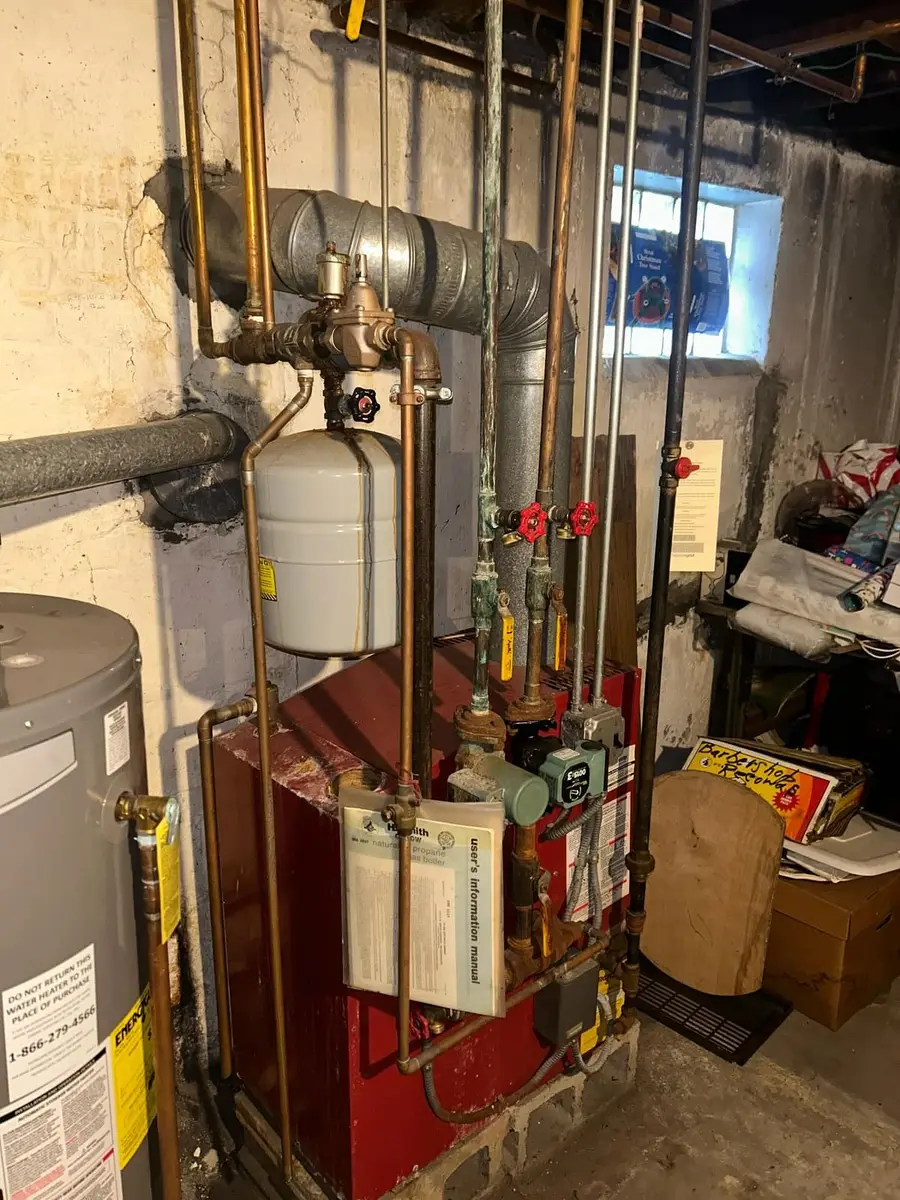
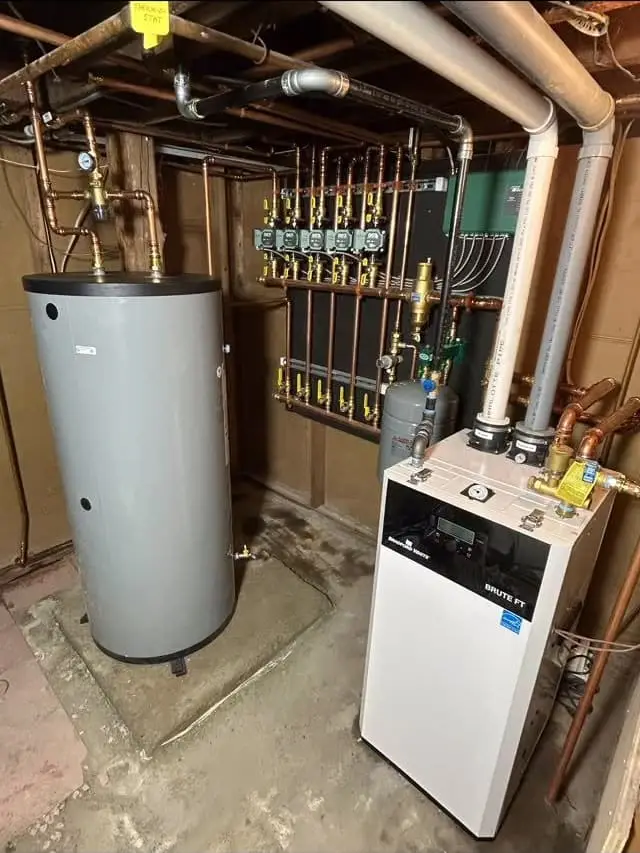
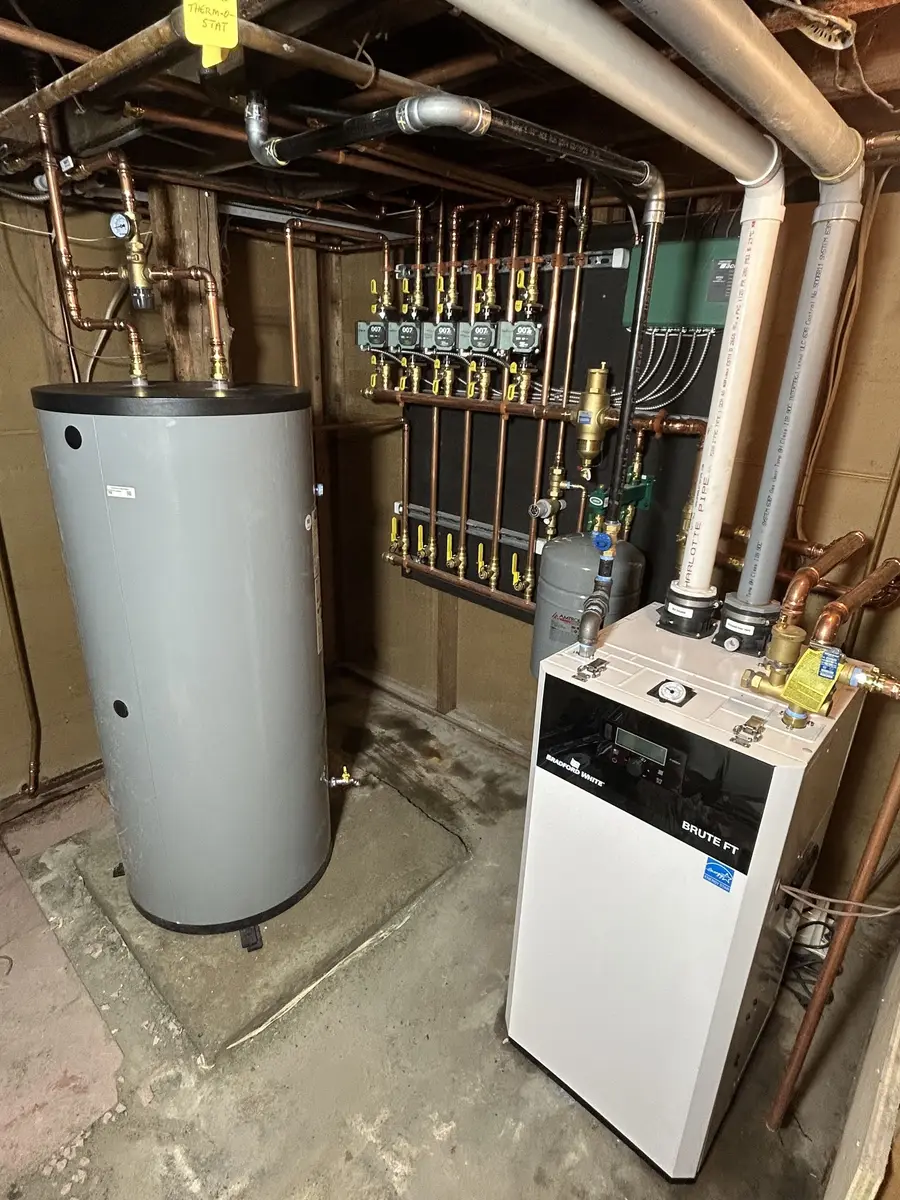
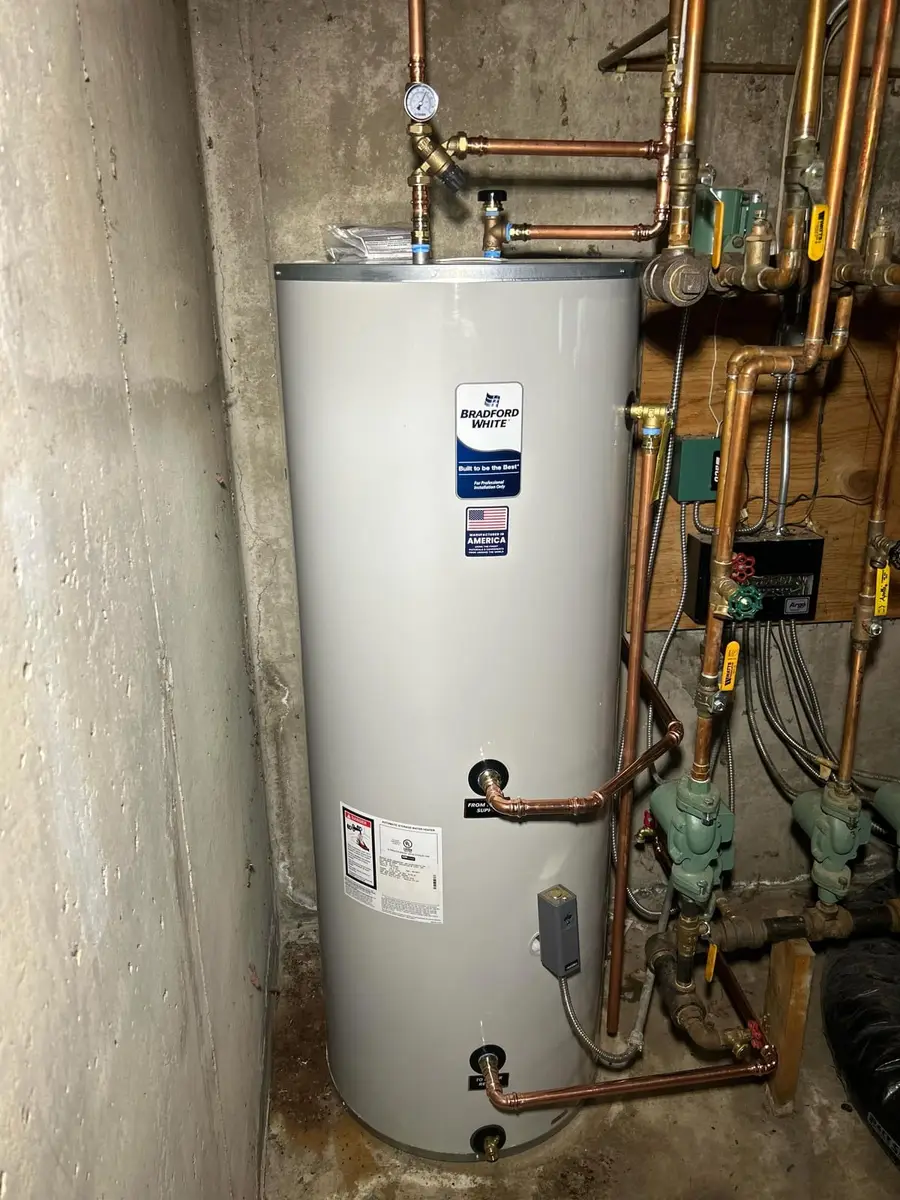
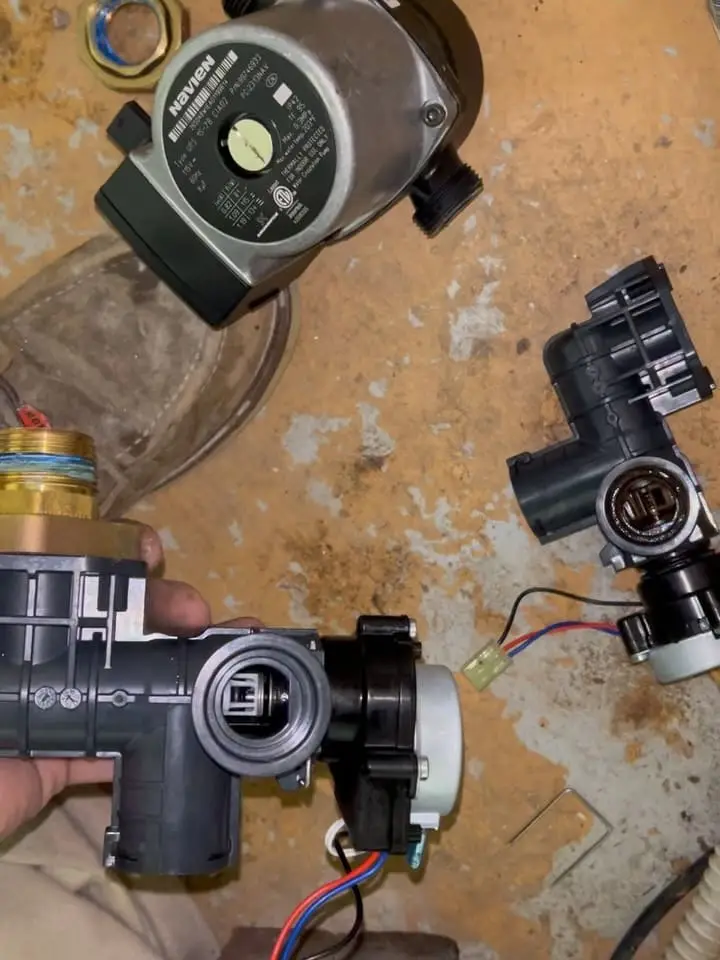
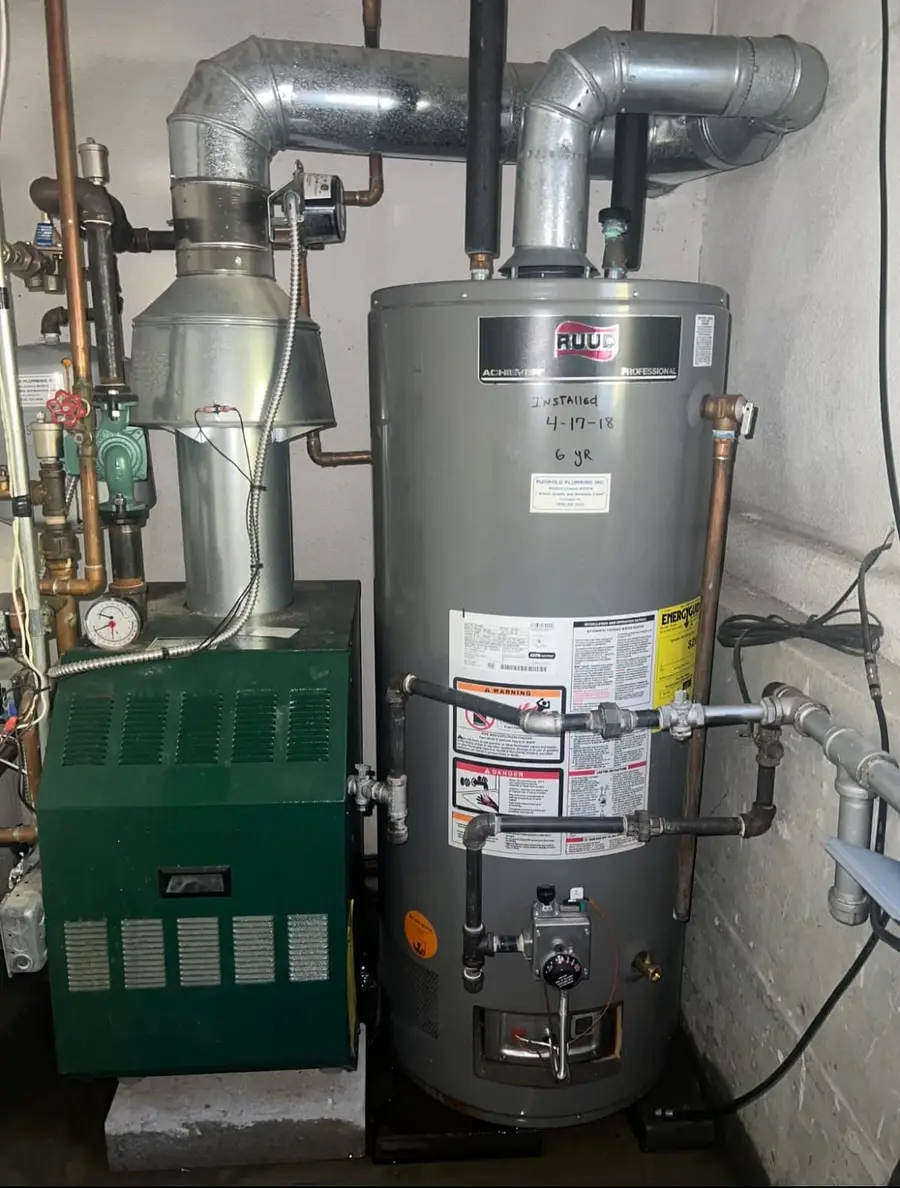
Recent heating jobs: boilers, combis, indirect tanks
Where Shane does this work
Based in Saugus and serving Lynn, Revere, Malden, Melrose, Wakefield, Peabody, Stoneham, Everett, Somerville, Boston, Lexington, Tewksbury and Haverhill. Check your town and the request form opens with this service already selected.

No ZIP handy? Pick your town
Ready when you are.
One number. Owner answers. 24/7 emergency service. Master plumber, MA license #9630040-PL-M.